About

I’m David

Pronouns: he/she/they

I’m a relationship, sexuality and intimacy coach based in Stockholm. I work online, in English and Spanish, with lesbian, gay, bi, queer, trans and neurodivergent people on dating patterns, sex, gender and the shape of their relationships.

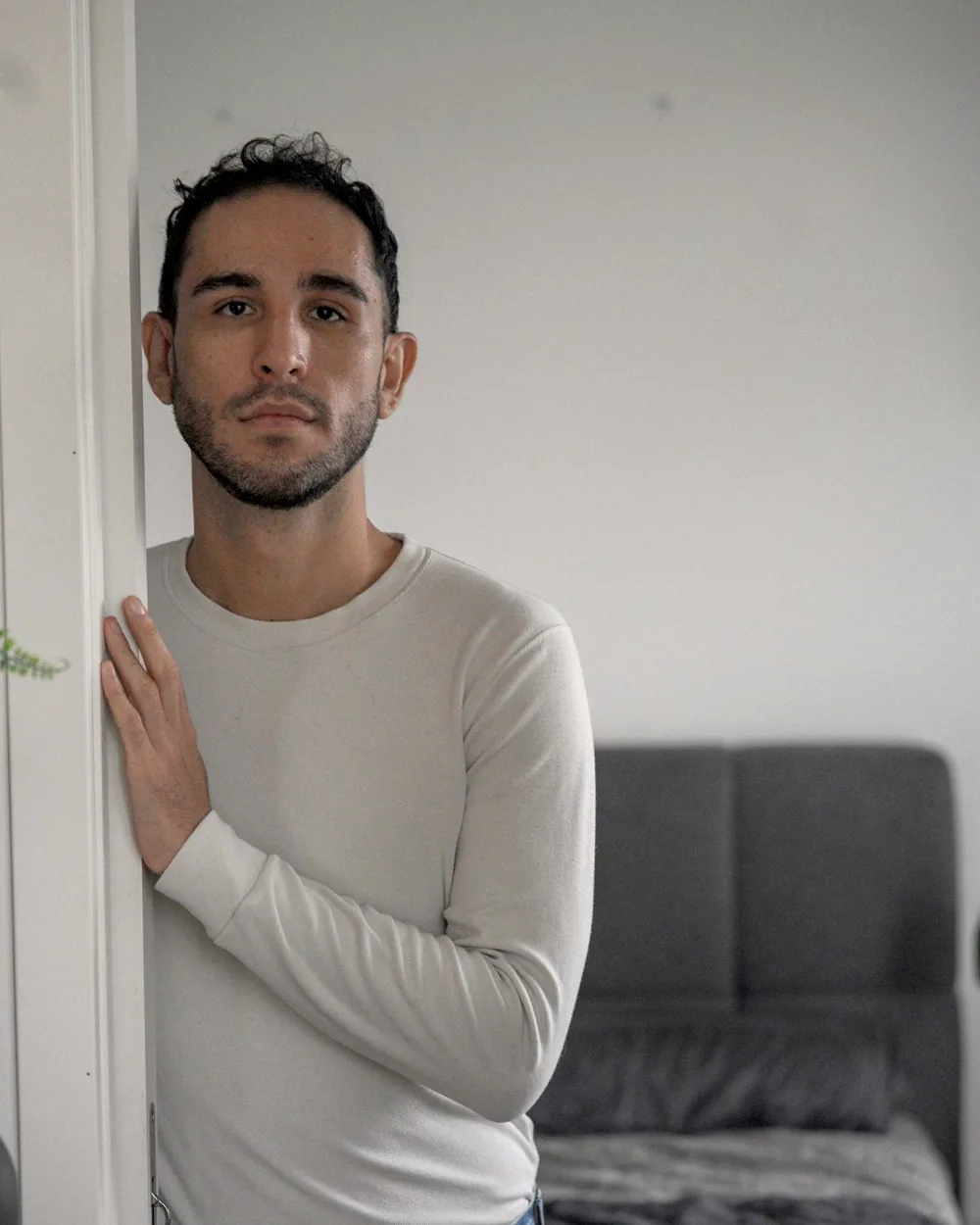
David, calm, looking straight at the camera and leaning on a doorframe

01 · Story

Where this comes from

I grew up religious, in a family and a wider world with very fixed ideas about how a man should be. Being myself clearly wasn’t on the menu, so I got very good at editing myself.

When I got out, I ran as hard as I could the other way: nightlife, apps, chemsex. I called it freedom, and for a while it was. When you spend your childhood being told your desire is wrong, going all the way to the other end feels like the only honest answer. What I couldn’t see was that I’d swapped one script for another, and this one had also decided who I was allowed to be.

Then the escape becomes the identity, and you stop being able to tell what you actually want from what you’re proving.

Nobody can ask you about that from the outside without sounding like they’re moralising, so mostly, nobody asks. That leaves two ways to look at it: shame or defence. Neither goes anywhere. The third conversation, honest and without judgement, is the one I couldn’t find. It’s most of why this exists.
02 · Story

What didn’t work, and what did

I did the work: years of therapy, reading and searching, and a lot of genuinely useful insight. But most of the care I found wasn’t built for someone like me. It assumed a straight, neurotypical life, and I spent a lot of it translating myself before we could even start.

Therapy hit a wall I didn’t expect. I understood my patterns completely and still couldn’t change them.

Knowing exactly why you do something and doing it anyway is its own kind of despair. It turns into a fight with yourself that you lose every day.

When I started to slow down, the feelings I’d been running from came back, and they were enormous. Nobody warns you about that part. So I went looking for something to turn the volume down, and what I found took me most of the way to losing everything I had.

What came next was the hardest work of my life, and the first that actually moved: a nervous system I could live inside, tools that worked at 2am, and enough support to keep going when progress wasn’t linear.

Why this exists

When things first started to feel hard, before substance use took over, I asked for help. I went to organisation after organisation, and none of it was built for where I was. I believe that with the right care, my hardest years with chemsex could have been avoided.

That’s what I’d have given a lot for: someone who had been there, sitting with me early. Not to rescue me. To make it possible to look at it honestly, and early. Some people I work with are unwinding something that has already cost them. Others are catching it before it costs them their health, their money, their relationships or their peace. Both are worth doing. The second is why this exists.

03 · Practice

How I work

I call it a lab because you’ve probably already tried the version where you’re supposed to get it right. Here, growth is an experiment: we form a hunch about what’s going on, you try a small change in your real life, and we look honestly at what happened. You leave every session with something to actually do, not only something to think about.

We build the space together, around your pace and your capacity. I want you to feel safe enough to break through, and held enough to unravel. I’ll ask before I say the direct thing, and then I’ll say it. We’ll laugh too. The work is chemsex-aware, so you can bring it in without explaining the basics or bracing for a lecture.

How the Lab works →
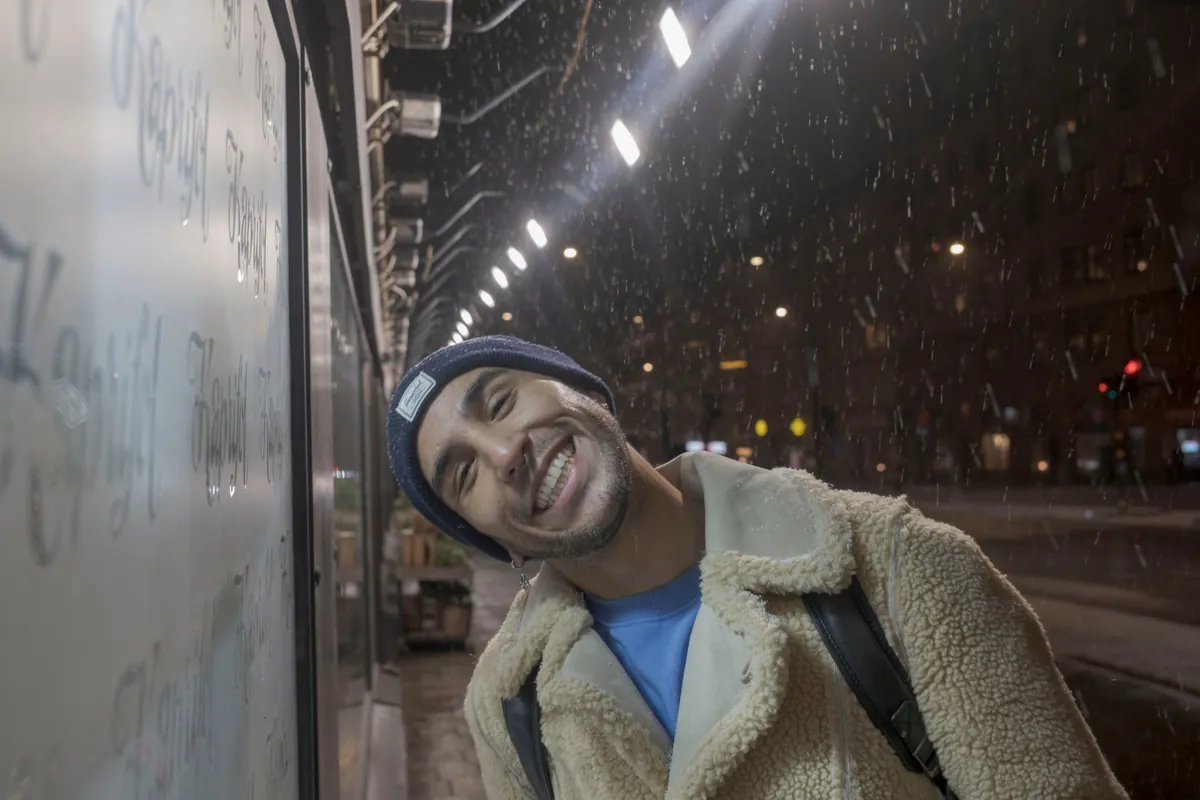
David in a beanie, laughing under the streetlights at night as rain falls
The same energy in a session or caught in the rain.

04 · Neuroqueer

Why neuroqueer

Most of the people I work with are neurodivergent: ADHD, autistic, or both. As far as I can tell, so am I. I’m late-identified and undiagnosed, and I say that plainly because many of my clients are in the same place and have been told it doesn’t count.

Neuroqueer is a term from Nick Walker and other neurodivergent writers: being neurodivergent and queer, and questioning both kinds of “normal”. It’s also the best word I’ve found for my own life. Queer people learn to mask. Neurodivergent people learn to mask. Do both from childhood and you become very skilled at being someone else, and much less sure who that leaves.

I don’t treat that as a deficit to correct. Being left out of the standard-issue way of thinking is a vantage point. It costs something and it gives you something, and I won’t pretend it’s only one of those. The work starts from how you actually function, and you won’t have to explain the basics before we begin.

I’m a coach, not a clinician. I don’t assess, diagnose or treat. If you want an assessment or clinical care, I’ll say so early and help you find the right people.

05 · Training

What I’ve trained in

  • Professional Diploma in Coaching & Mentoring, Kingstown College (ICF-accredited, almost a year of live training)
  • Love Mastery Certification with Elizabeth Cunningham: 84+ hours in queer and non-monogamous relationship coaching, covering emotional and somatic work, gender, sexuality and relationships
  • Degree in Computer Systems Engineering, and a MicroMasters in Digital Transformation Leadership from Boston University
  • 12+ years in tech, most of them leading teams, and eight of them using coaching frameworks with the people I managed
  • Certified yoga instructor and breathwork facilitator
  • Five years and counting in my own recovery
06 · Off duty

The rest of me

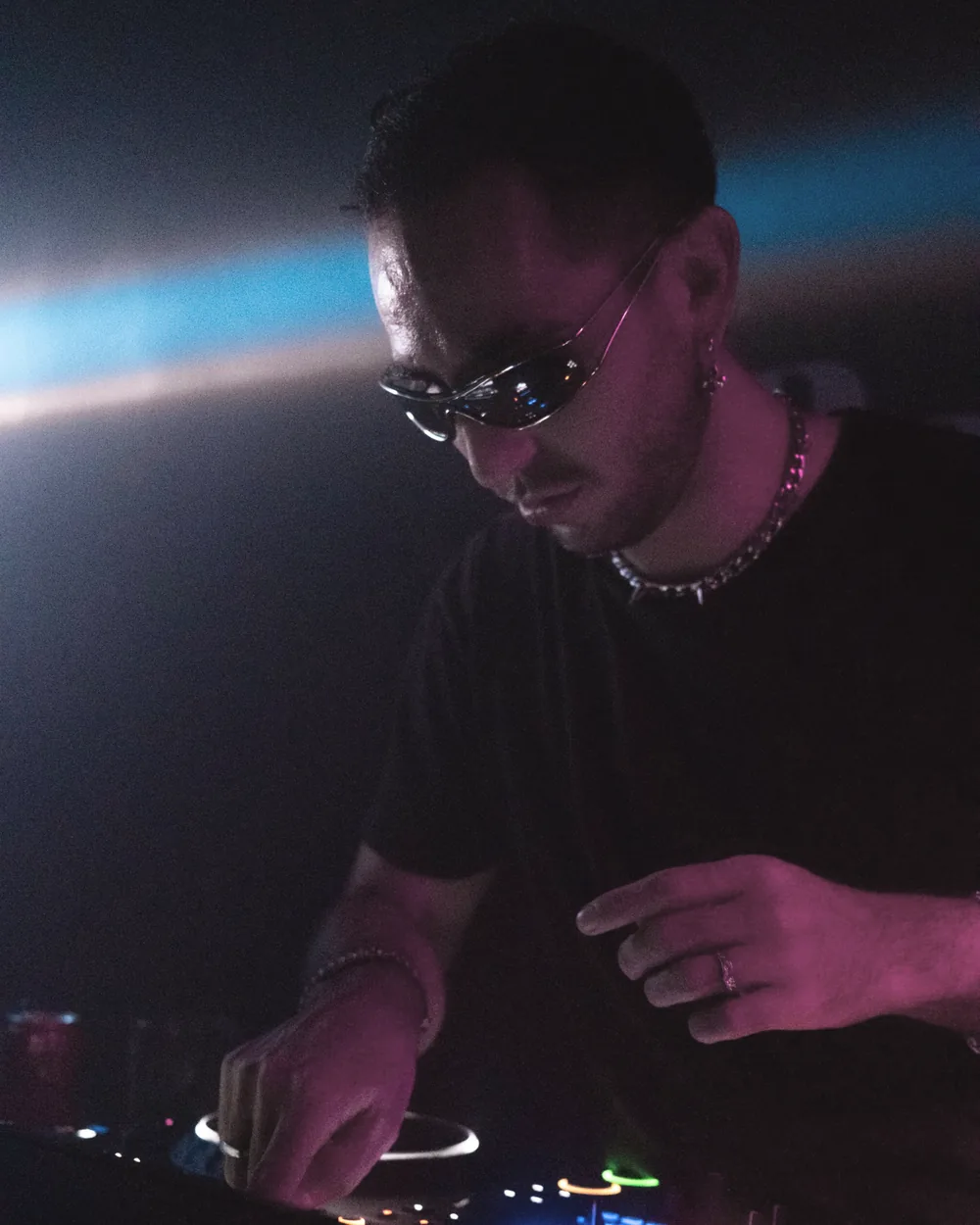
David as RUIX, in silver sunglasses, mixing at the decks under low club light

I DJ as RUIX, and from early 2027 I’ll be airing a live DJ podcast. Before that, I co-founded the HBDC Forest Rave Collective and Rainbow Rhythm Radiance, a Pride party series in Stockholm. Both taught me what it takes to build a room where queer people feel at home.

Next, I’m bringing The Queer Love Lab off the screen too: hangouts, workshops, games, parties and sex-positive events, each for a different need in the community.

I trained as a yoga instructor and breathwork facilitator, and I bring what I learned into our sessions, in my own way, when it fits what we’re exploring.

My beliefs are unscripted too: my own, built over years of exploring different currents, atheism and Buddhism included. Yours belong to you, and nothing will be pushed on you that doesn’t fit. We can draw on different approaches, and we always come back to what the research supports and what your own experiments in the Lab actually show.

I was born in Mexico, I live in Stockholm, and I coach online in English and Spanish, wherever you are.

07 · Fit

Who I work with

Lesbian, gay, bi, queer, trans, non-binary and intersex people, including anyone who doesn’t use the word “queer” about themselves. You don’t need to identify with it to belong here. Neurodivergent, wondering if you are, or not at all. Monogamous, open, poly or still working it out. What you need in common with my clients is simpler than any label: you’re tired of the loop, and you’re willing to look at your part in it.

It starts with a short form about what you’d like to change. I read every one and reply within three days. If we’re a good match, the next step is a free 30-minute connection call.

Love, sex and gender beyond the script